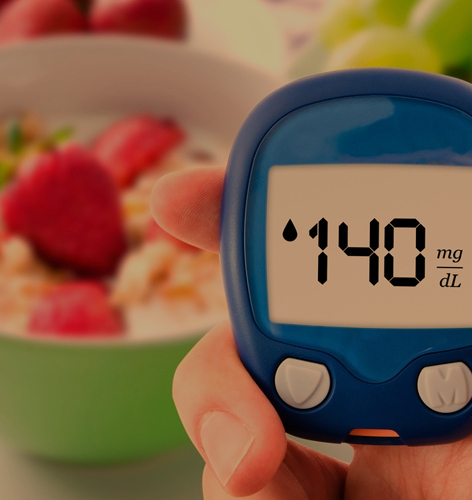
Diabetes Management
A diabetes diet is a healthy eating plan that emphasizes nutrient-rich foods, like fruits, vegetables, and whole grains. It’s especially beneficial for people with diabetes because it’s low in fat and calories. Key elements of this plan are appropriate amounts of fruit and vegetables, which make up the bulk of your daily caloric intake. Diabetics should also aim to consume plenty of whole grains since they
Developing a healthy-eating plan can benefit you in many ways.
If you have diabetes or prediabetes, your doctor will likely recommend that you work with a dietitian to create a healthy eating plan. This plan can help control your blood sugar levels, manage your weight, and reduce the risk of heart disease by reducing dangerous cholesterol and fat levels.
When you eat more calories and fat, your body’s cells generate an elevated level of glucose. If this increase in sugar isn’t under control, it can lead to serious problems such as high blood sugar levels (hyperglycemia) which, if persistent, may result in long-term complications like nerve damage, kidney injury, or heart disease.
You can keep your blood sugar level in a safe range by making healthy food choices and tracking your eating habits. This will help you to stay within the recommended daily calorie limit, which will help to prevent health complications such as weight gain or type
For most people with type 2 diabetes, losing weight can help control blood sugar levels and provide a range of other health benefits. In order to achieve this goal safely, following a diabetic diet is an excellent way to get started.
Balancing Hormones
Hormonal imbalances are a major factor in overall health. As such, there is a wide range of symptoms that can be indicative of an imbalance in hormonal levels. These signs and symptoms will depend on which hormones or glands are not functioning properly.
Many common hormonal conditions can cause a variety of symptoms in both men and women, including:
- Weight gain
- Hump of fat between the shoulders
- Unexplained and sometimes sudden weight loss
- Fatigue
- Muscle weakness
- Increased thirst
- Increased hunger
- Decreased sex drive
- Depression
- Nervousness, anxiety, or irritability
- Blurred vision
- Infertility
- Thinning hair or fine, brittle hair
- Muscle aches, tenderness, and stiffness
- Pain, stiffness, or swelling in your joints
- Increased or decreased heart rate
- Sweating
- Increased sensitivity to cold or heat
- Constipation or more frequent bowel movements
- Frequent urination
- Dry skin
- Puffy face
- Rounded face
- Purple or pink stretch marks
A healthy balanced diet and a positive lifestyle together, always helpful to control a good hormonal balance in our body.
Digestive Health
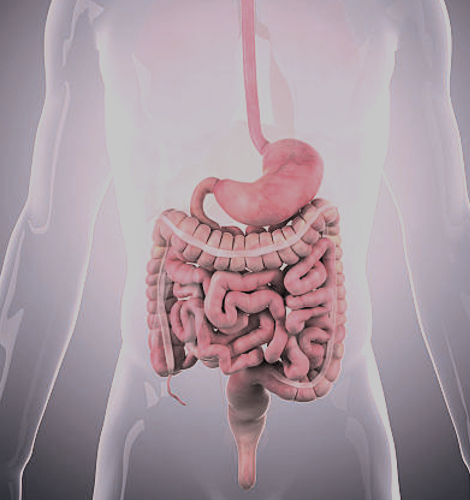
Once food is entered in the mouth, digestion process begins.Our body breaks down food into smaller pieces as it moves through the digestive system, which makes it easier to absorb nutrients.
There are various foods that can help at different stages of the digestion process. For example, some food items help to improve stomach function, while others support intestinal health.
Fiber is essential for overall digestive health. If someone hasn’t been eating fiber on a regular basis, it’s best to gradually increase their intake by including soluble fibers such as from oats, apples, and bananas.
It is recommended that people add 1 serving of fiber to their diet every 4–5 days. This can be done gradually, so as not to cause any digestive problems.

Boosting Immunity
A healthy immune system is key to good health and preventing disease. Despite what some advertisements may claim, there is no one food or nutrient that can act as a stand-alone cure for boosting the immune system – you need an abundance of different vitamins, minerals and phytonutrients found in nature. All those nutrients work together synergistically to keep your immunity functioning optimally.
Both food and exercise are also important components of a healthy lifestyle. Studies have shown that regular exercise, such as taking a 30-minute walk each day, can improve your immune system. Likewise, good sleep habits can help keep your immune system functioning optimally.
To keep your immune system strong, follow guidelines provided by nutrition experts. First, ensure you’re well-nourished and rested—this will help give your body the energy it needs to fight off infection. Second, move regularly–exercising helps stimulate the flow of lymphatic fluid throughout your body, which contributes to healthy immunity.
Stress / Anxiety
When stress is triggered, the body releases hormones like cortisol, insulin, and ghrelin. These hormones increase hunger levels and craving for unhealthy foods. If the stressful event continues, these hormone levels stay elevated, leading to increased levels of another hormone called leptin. Leptin resistance occurs when this hormone doesn’t work properly; it’s linked with obesity and diabetes symptoms.

Healthy Skin & Hair
Some vitamins, minerals, and dietary supplements may improve hair, skin, and nail health. These include omega-3 fatty acids, vitamin A (through retinoids), C (from antioxidants), E (vitamins from the B group), and high-protein diets that are low in glycemic load.
Try foods like salmon, nuts, avocados, and fruits and vegetables.
Eating foods that are ultra-processed and sweetened can increase inflammation and skin dehydration, which can adversely affect your hair, skin, and nails. By limiting your intake of these types of foods, you may be able to improve these areas of your health.
Before supplementing with any nutrients, always speak to a healthcare professional. Taking supplements without consulting a specialist can be risky in the long run.
Detoxification
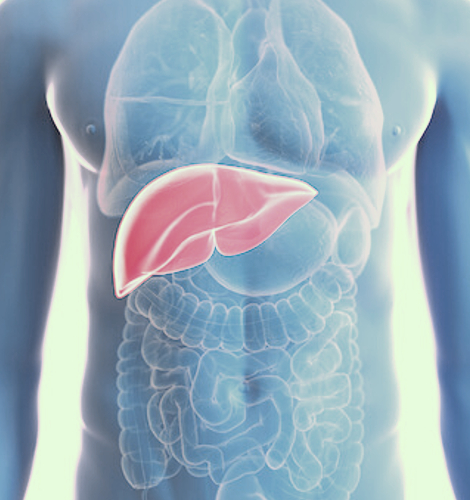
Detoxes have been popular health trends for years, with adherents claiming they help rid the body of toxins and restore balance to your digestive system. The intended benefits are feeling younger, healthier, and more energetic.
Detoxes can fall into one of three categories: cleansing, rebuilding, or revitalizing.
- Those that replace solid foods with liquids
- Those who claim to support your body’s natural detoxification
- Cleansing your digestive tract by using the colon

Sleep Support
Many principles of a balanced and consistent diet go hand in hand with general advice to prevent sleep disorders related to food and beverages:
- Moderate alcohol consumption since it can disrupt your sleep cycles even if it makes you sleepy at first.
- Limit caffeine intake, especially in the afternoon or evening when its stimulating effects can keep you up at night.
- Try not to eat too late so that you still will not digest at bedtime and are less likely to acid Be particularly cautious with spicy and bold.

Weight Management
Losing weight is not easy, but it is entirely possible when done well. There are two key to success when it comes to weight loss. The first is to find an approach that works for you specifically, one that makes you feel great and keeps you motivated. The second is to take your time, lasting weight loss happens slowly, but consistently. A high fiber and high protein diet supports in weight loss A healthy diet favors natural, unprocessed foods over pre-packaged meals and snacks. It is balanced, meaning that it provides your body with all the nutrients and minerals it needs to function best. It emphasizes plant-based foods—especially fruits and vegetables—over animal foods. It contains plenty of protein. It is low in sugar and salt. It incorporates “healthy fats” including fish, olive oil and other plant-derived oils.

Child Nutrition
A healthy and balanced diet helps children to grow and learn faster. It also aids in preventing obesity and weight-related diseases, like diabetes. To give your child a best nourishment from inside follow the guidelines below
- Make half of what is on your child’s plate fruits and vegetables
- Choose healthy sources of protein, such as lean meat, nuts, and eggs
- Serve whole-grain breads and cereals because they are high in fiber. Reduce refined grains.
- Broil, grill, or steam foods instead of frying them
- Limit fast food and junk food
- Offer water or low fat milk instead of sugary fruit drinks and sodas